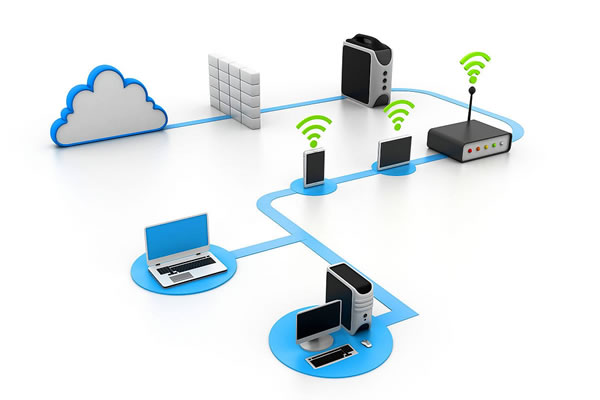
in the process of renting and hosting servers in the united states, bandwidth and latency directly affect user experience and business availability. this article is practical-oriented and shares practical methods from measurement, diagnosis to optimization to help operation and maintenance and architecture teams effectively improve network performance and stability in different scenarios.
common network challenges in us server rental and hosting
common problems when renting and hosting servers in the united states include link congestion, bearer noise, poor mpls or bgp routing, computer room interconnection delays, and upstream operator speed limits. understanding the computer room network topology, uplink redundancy, and peer-to-peer interconnection relationships is the first step in locating bandwidth bottlenecks and delay sources.
bandwidth measurement and selection strategies
bandwidth evaluation should combine peak and 95th percentile, number of concurrent connections, and application layer throughput. compare iperf, speedtest and real traffic capture to test both link limits and user-side experience. when selecting bandwidth, give priority to burst capability, linear scaling and traffic billing models, and avoid solely looking at nominal bandwidth.
delay sources and diagnostics
latency comes from physical distance, routing hops, packet loss retransmissions, and queue waits. analyze path jitter and hop delay through ping, traceroute, and mtr; combine tcpdump or sflow to view retransmissions and window changes, and distinguish delay problems as caused by links, network equipment, or application layers.
network optimization in practice: bandwidth management and qos configuration
implement qos, traffic shaping and queue scheduling in the computer room or virtual environment to prioritize key business traffic. properly configuring ingress/egress policies, avoiding tail drops, and using active queue management such as red/codel can reduce queue delays and improve short connection response speeds.
edge deployment and cdn cooperate to reduce latency
for global or american users, combining edge nodes and cdn to cache static content can significantly reduce cross-ocean latency and bandwidth costs. route dynamic requests to near-source processing, cache static content nearby, and use smart dns or anycast to optimize routing selection to improve the overall experience.
monitoring, alerting and capacity planning
continuous monitoring of bandwidth utilization, tcp latency, packet loss and application responsiveness is key. establishing threshold alarms, historical trend analysis and capacity reservation strategies can detect resource pressure in advance and trigger capacity expansion or traffic diversion to ensure stable services when traffic surges.
deploy automation and rollback strategies
when performing network or configuration changes, using automated scripts and versioned configurations, combined with grayscale release and rollback steps, can reduce the risk of network jitter caused by human misconfiguration. pre- and post-change testing ensures that optimizations are effective and do not introduce new problems.
summary and practical suggestions
in summary, the bandwidth and delay optimization of us server rental hosting needs to start from measurement, find bottlenecks and adopt layered strategies: link and route optimization, qos and traffic shaping, cdn and marginalization, as well as continuous monitoring and automated operation and maintenance. prioritizing data-driven decisions and gradually verifying the effects of changes can significantly improve user experience and business stability without increasing unnecessary costs.
- Latest articles
- Interpretation Of Malaysia Unicom’s Serverless Service From An Operator’s Perspective: Common Causes And Division Of Responsibilities
- Security Control List Helps Enterprises Maintain Access Control For Servers Hosted In The United States
- Construction And Maintenance Why You Should Pay Attention To The Service Provider SLA When Renting A German Server Dedicated Line
- Technical Prevention Improves The Ability Of Enterprises To Resist Attacks Related To Video Of Thailand Computer Room Fraud Incident
- Integration Of High-defense And Native IP, Taiwan Vps Native IP, Detailed Explanation Of High-defense Cloud Host Security Strategy
- How Is It Possible To Improve Thailand Vps Speed In All Aspects From DNS To Route Optimization?
- Korean Sk Cloud Server Acceleration Optimization Case In The Game And Video Industry
- From Novice To Operation And Maintenance Alibaba Cloud US Server Website Operation Entrance And Resource Configuration Full Process
- Comparison Of The Advantages And Disadvantages Of Self-operated Computer Rooms And Cloud Hosting In Hong Kong Site Cluster And Migration Suggestions
- From Architecture To Operation And Maintenance, Best Practices And Case Summaries Of Taiwan’s Cn2 Deployment Process
- Popular tags
-
Is Cheap US High-defense Server Suitable For Small And Medium-sized Enterprises
This article discusses whether cheap US high-defense servers are suitable for small and medium-sized enterprises, analyzes their advantages and disadvantages, and helps enterprises make wise choices. -
Detailed Interpretation Of The Us High-defense Server Rental Process And Points To Note
this article explains in detail the rental process and precautions for high-defense servers in the united states, and provides you with professional guidance and suggestions. -

Differences Between Servers In The United States, Hong Kong And Taiwan And Suggestions For Selection
this article analyzes the differences between servers in the united states, hong kong and taiwan in detail, and provides selection suggestions to help users find the most suitable server solution.